







































Twilight Observer is an simulation game where you’re trapped in a time loop, forced into a deadly social deduction game inside a mysterious mansion.
Twilight Observer Gameplay – Social Deduction Meets Time Loop Strategy
Twilight Observer blends narrative choices with social deduction mechanics. Each loop gives you a chance to observe behavior, track lies, and test different decisions. You’ll talk to other characters, vote, accuse, and try to survive each cycle. But what makes it stand out is how knowledge carries over. You’re not leveling up stats you’re learning patterns, uncovering hidden motives, and slowly breaking the system from the inside.
How To Play Twilight Observer – Survive, Observe, and Remember
Your main tool isn’t strength or speed it’s memory. Pay attention to dialogue, reactions, and inconsistencies between loops. Talk to everyone, even if it feels repetitive. Sometimes a small change in your choice can reveal something completely new. You’ll need to balance trust and suspicion carefully. Trust the wrong person, and you’re done. Distrust the right one, and you might miss your only chance to escape.
Tips And Tricks – Think Beyond One Timeline
Don’t play each loop like it’s your last play it like it’s part of a bigger plan. Use early loops to experiment. Push conversations in different directions just to see what happens. Take mental notes of who reacts strongly under pressure.
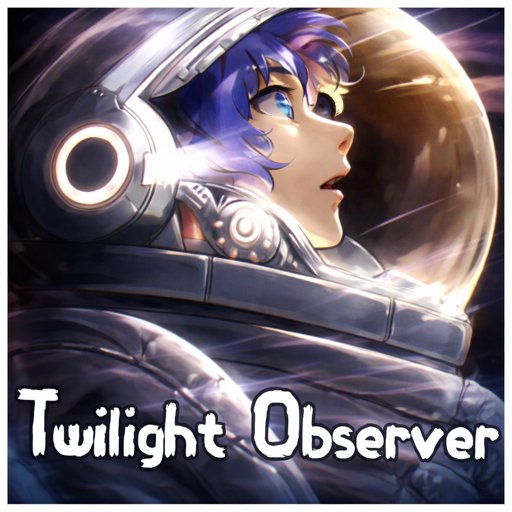
Also, don’t ignore the blue-haired girl. She’s more than just an ally- she’s a key piece of the puzzle. The more you work with her, the closer you get to understanding the truth behind the game.
Key Features
- Time loop system where knowledge carries over between runs
- Social deduction gameplay inspired by Werewolf/Mafia
- Deep narrative with multiple dialogue paths and outcomes
- Mysterious cast of characters with hidden motives
- Psychological tension mixed with story-driven exploration
- A central mystery that unfolds gradually across loops

Simulation Games
view more